
Currently Empty: $0.00

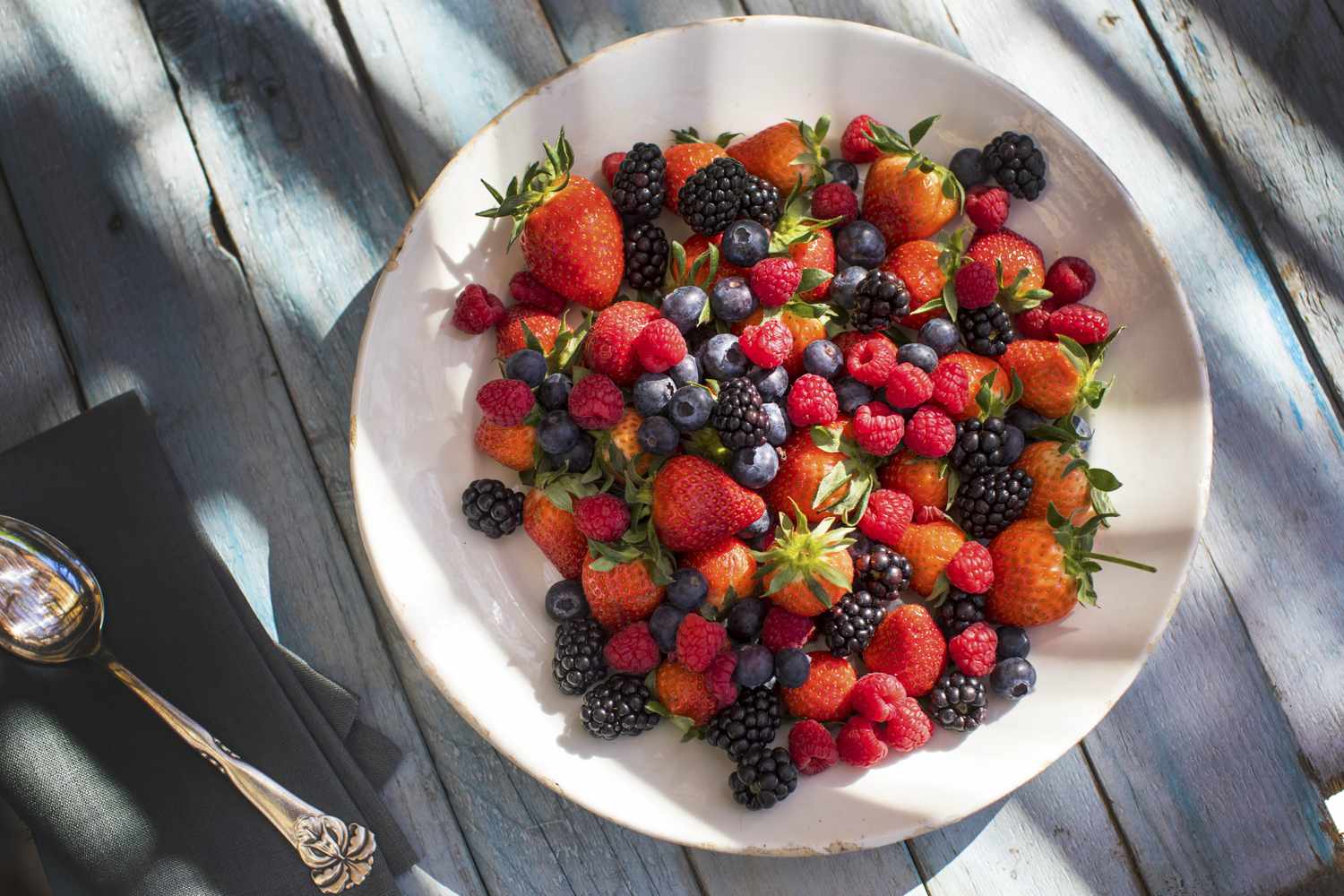
That vibrant farmers’ market haul or weekly grocery run is only as good as the freshness of your produce. Nothing is more disappointing than a mushy strawberry or a limp lettuce leaf. Before you buy, use these five simple senses-based checks to ensure you’re getting the best quality fruits and vegetables.
1. Give It a Gentle Squeeze
Fresh produce should be firm and resilient. Gently press on it; it should feel solid and spring back slightly. Avoid anything with significant soft spots, bruising, or that feels limp. This is a great test for avocados, peaches, tomatoes, and cucumbers.
2. Check the Color and Look for Shine
Vibrant, rich color is a key indicator of freshness. Look for consistent coloring without major blemishes, dark spots, or signs of mold. A healthy sheen is often a good sign on things like eggplants and apples, while a dull, wrinkled skin usually means it’s past its prime.
3. Assess the Weight and Density
A heavier piece of produce for its size is typically a juicier and fresher one. This is especially true for citrus fruits like oranges and lemons, as well as apples and root vegetables. Heaviness indicates high water content, which is a sign it hasn’t started to dehydrate and shrivel.
4. Take a Sniff
Your nose is a powerful tool! Fresh produce, especially fruits, should have a pleasant, characteristic aroma. A ripe melon or pineapple should smell sweet at the stem end, a fresh cantaloupe should be fragrant, and herbs should smell potent. If you smell nothing or detect an “off” or sour odor, move along.
5. Inspect the Leaves and Stems
For leafy greens like lettuce, spinach, and herbs, the stems and leaves tell the whole story. The leaves should be crisp and perky, not wilted or slimy. The stems should look freshly cut and be firm, not dry, brown, or rubbery.
By using these quick and easy checks, you can shop with confidence, reduce food waste, and enjoy your fruits and vegetables at their flavorful peak.

